JUST LIKE YOU LIKE IT
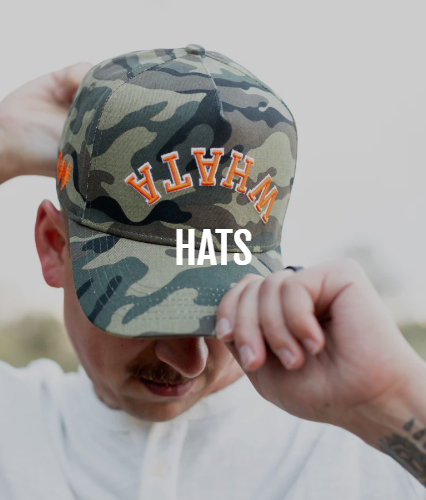
Discover your favorite Whataburger products,shirts,hats, drinkware,
and more at the official whataburger online store!





Discover your favorite Whataburger products,shirts,hats, drinkware,
and more at the official whataburger online store!
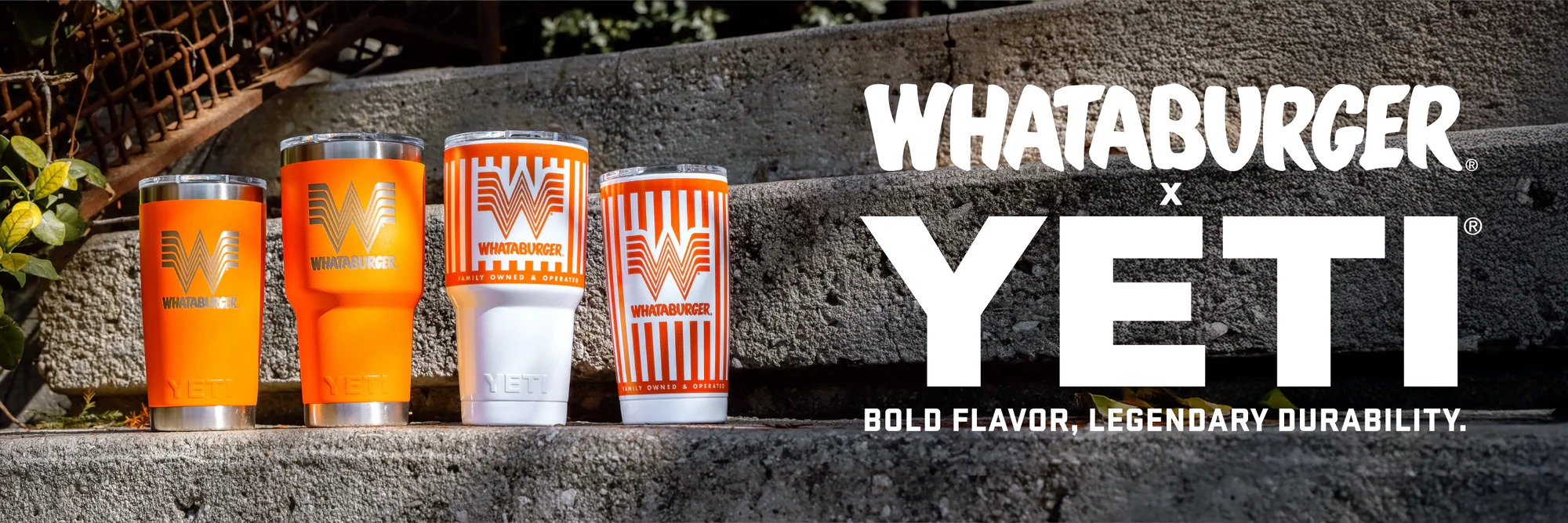
COLLABORATIONS
COLLABORATIONS
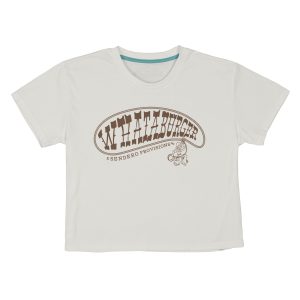
COLLABORATIONS
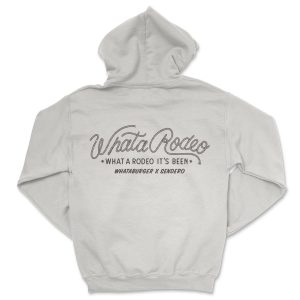
COLLABORATIONS
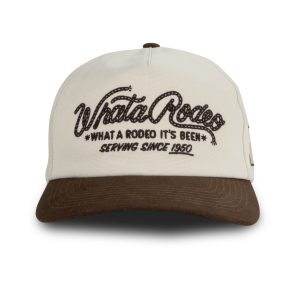
COLLABORATIONS
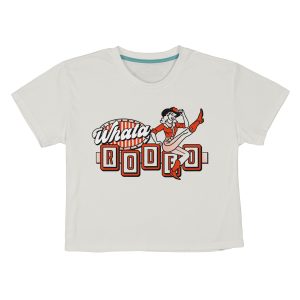
COLLABORATIONS
COLLABORATIONS

COLLABORATIONS
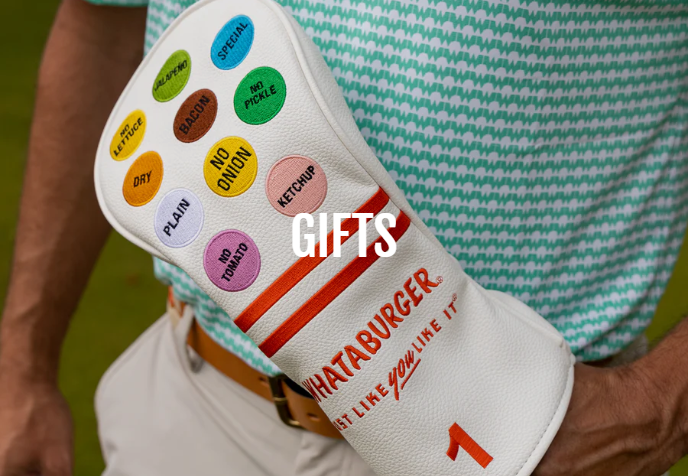
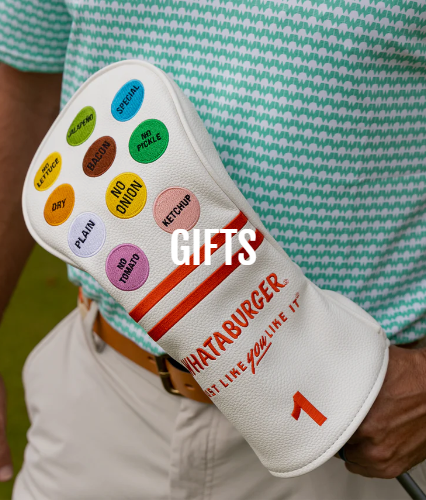
The Just-Right Gifts for the Just-Like-You-Like-It Crowd.
GIFTS



GIFTS

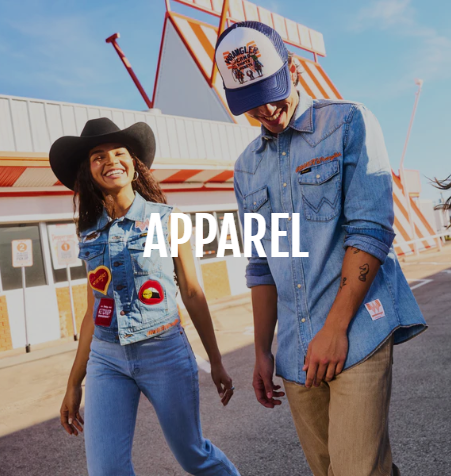
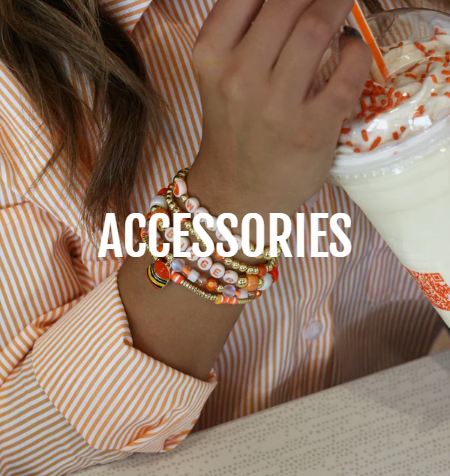

The way we dress is fundamentally a form of communication, a silent language spoken through texture, silhouette, and colour. For centuries, the world of clothing has been rigidly structured by perceived gender lines, creating distinct, often oppositional, wardrobes for men and women. However, contemporary fashion is witnessing a profound and exciting shift—a move away from this strict binary toward a more fluid and expressive understanding of personal style. This evolution is not merely a trend; it reflects broader societal changes and a growing desire for authenticity and self-determination in appearance.
Historically, garments served to underscore social roles. The male wardrobe gravitated towards practicality, structure, and a muted palette, symbolizing authority and work. Think of the tailored suit, a uniform of power designed to conceal the form and project dominance. Conversely, the female wardrobe emphasized decoration, curve, and a wider range of colour, often designed to enhance or restrict the body in service of aesthetic ideals. These norms were policed by social expectation, making cross-dressing or the adoption of clothing associated with the “opposite” gender a transgressive act.
The seeds of change were sown in the 20th century. Pioneers challenged the establishment—from women adopting trousers and menswear tailoring in the early 1900s to the unisex movements of the 1960s and 70s. These moments were powerful political statements, asserting freedom and equality. Today, that legacy has matured into something more nuanced: a dissolution of the gendered fashion map itself.
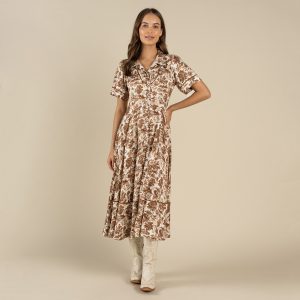
Designers are increasingly creating collections that resist easy categorization. The lines between “masculine” and “feminine” cuts are intentionally blurred. We see voluminous, soft draping appearing in items traditionally worn by men, and strong, angular tailoring becoming a staple in collections for women. This approach acknowledges that a garment’s inherent value lies in its design and the feeling it evokes in the wearer, not in the gender label affixed to it. A flowing silk shirt is simply an elegant piece of clothing, regardless of the wearer’s identity.
This fluidity is incredibly liberating for the consumer. It expands the sartorial landscape exponentially. A person no longer needs to feel constrained by the limited options historically presented to their gender. They can draw from the full spectrum of textile artistry—embracing the comfort and utility of structured outerwear one day, and the grace and movement of pleated skirts the next. It encourages a focus on fit and form rather than label and expectation. The question shifts from “Is this for a man or a woman?” to “Does this express my personal aesthetic?”
Furthermore, the rise of conscious consumption and sustainability plays a role. When clothing is designed to be versatile and not limited by gender or ephemeral trends, it becomes more enduring. A classic, well-made piece of clothing can be shared, repurposed, and appreciated by a diverse range of people over a longer period. This challenges the fast-fashion model that relies on constant, often gender-specific, turnover.
The future of clothing is inherently inclusive. It recognizes that personal style is an intricate, non-linear expression of self. By shedding the restrictive boundaries of the past, we allow clothing to reclaim its most powerful role: a joyous and authentic second skin. This dialogue in fabric celebrates individuality and proves that true style transcends any arbitrary division based on sex. The modern wardrobe is a curated collection of pieces that simply look and feel good, opening up endless possibilities for self-discovery and visual storytelling.
The most exciting aspect of this transformation is that it places the power firmly in the hands of the individual, transforming the daily act of getting dressed from a compliance ritual into a creative endeavor. It’s an affirmation that clothing should serve the wearer’s identity, never the other way around. This movement towards gender-neutral and gender-expansive design is a quiet revolution, one that is reshaping our perception of beauty, utility, and self-expression, stitching a new, richer narrative into the very fabric of our lives.